Robot dog payloads for data center inspection: thermal, acoustic and asset reading
Updated 2026-11-18 · YUANZHI ROBOTICS engineering team
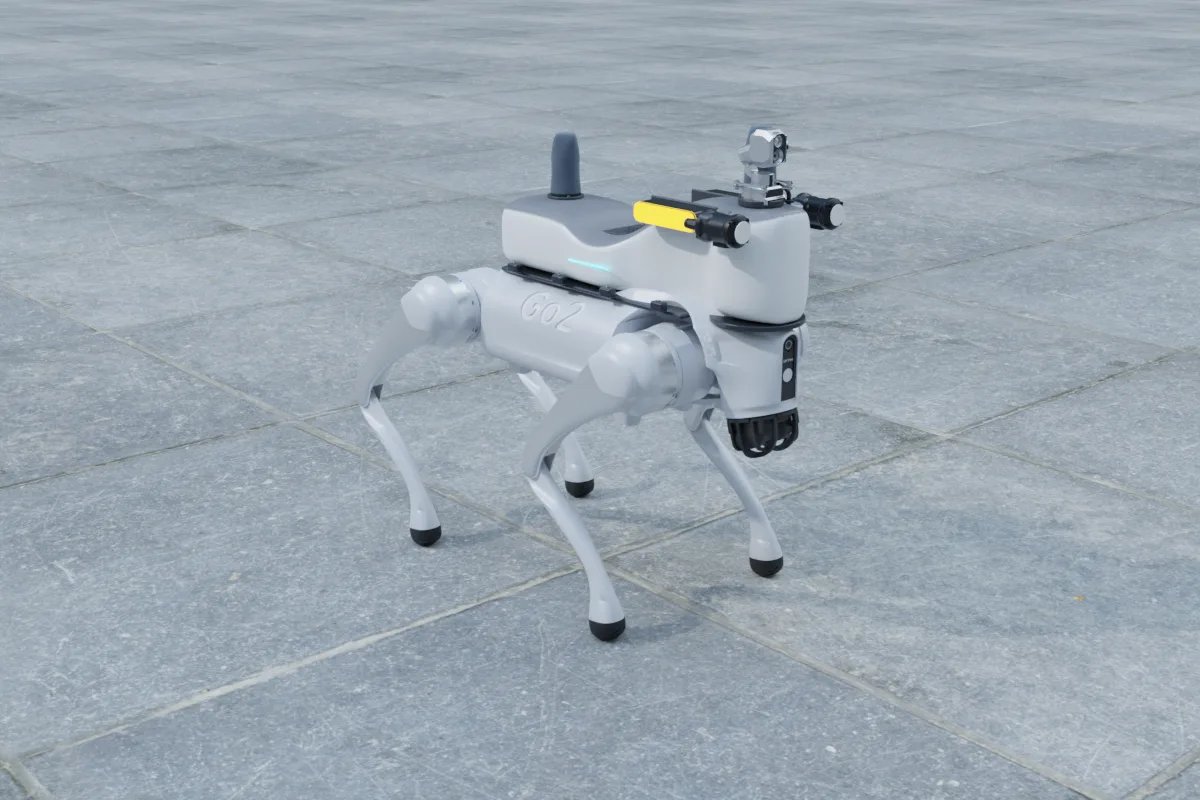
A data center inspection robot walks the same route on a schedule and reports what a technician would notice: a warm breaker, a leaking valve, a fan that sounds wrong, a gauge out of range, a status light that turned amber. The payload is therefore a small set of sensors that cover heat, sound and visual reading, mounted so they do not disturb the robot's balance.
The core payload: what to mount first
- Radiometric thermal camera. Finds hot connections on switchgear, UPS cabinets and PDUs, and uneven exhaust temperature along a row. See our comparison of thermal gimbals for a robot dog.
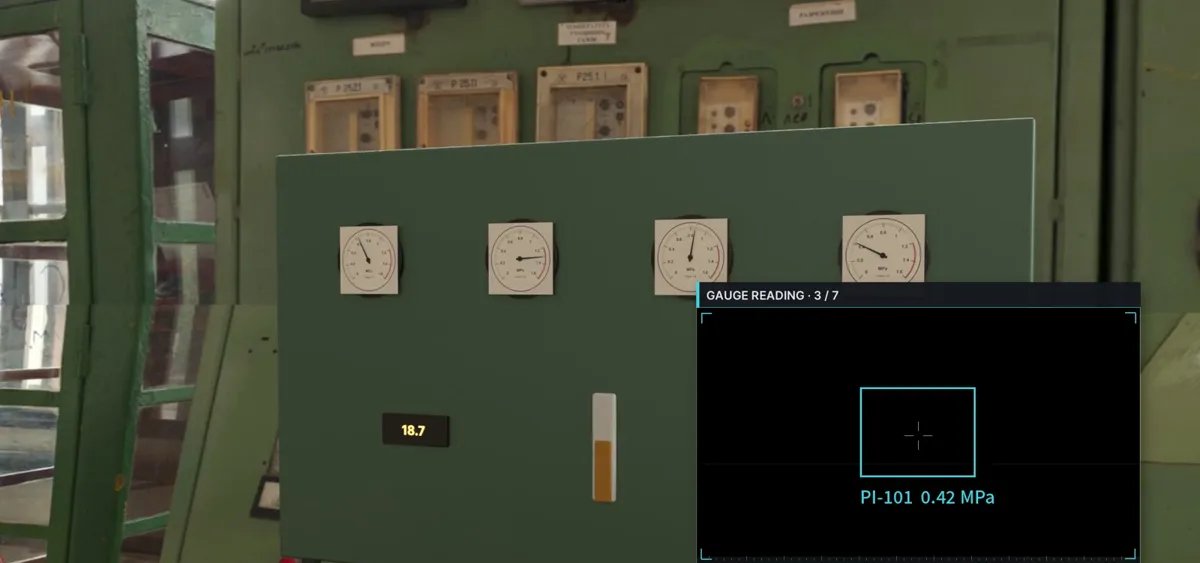
- Pan-tilt optical zoom camera. Reads analog gauges, labels, door states and indicator lights from the aisle. The gauge-reading software matters as much as the camera.
- LiDAR and an onboard computer. Needed for localisation and obstacle avoidance in narrow aisles; the computer also runs the detection models so only results leave the robot.
Optional sensors worth considering
An acoustic camera can localise compressed-air or gas leaks and unusual bearing noise in cooling plant; the trade-offs are covered in acoustic imaging on a robot dog. A gas sensor or optical gas imaging camera only makes sense for rooms with batteries, refrigerant or fuel storage, see thermal vs optical gas imaging.
What each inspection point needs
| Inspection target | Sensor | Typical output |
|---|---|---|
| Breaker and busbar hot spots | Radiometric thermal | Temperature rise against a baseline image |
| Cooling plant gauges | Zoom camera | Numeric reading with a pass/fail range |
| Rack status lights, door state | Zoom camera | Colour or state change event |
| Air or refrigerant leaks | Acoustic camera or gas imaging | Located source on the image |
| Floor water or condensation | Visible camera plus detection model | Alert with snapshot |
Site constraints that decide the carrier
Check these before choosing hardware. Aisle width against the robot footprint, including the turning space at row ends. Raised-floor load rating and perforated tiles. Badge-controlled doors, which need either an integration with access control or a staff escort. Wireless and RF policy: many facilities restrict radios, so the robot may need to work offline and upload results at a dock. Fire-suppression zones and cable ramps also affect the route.
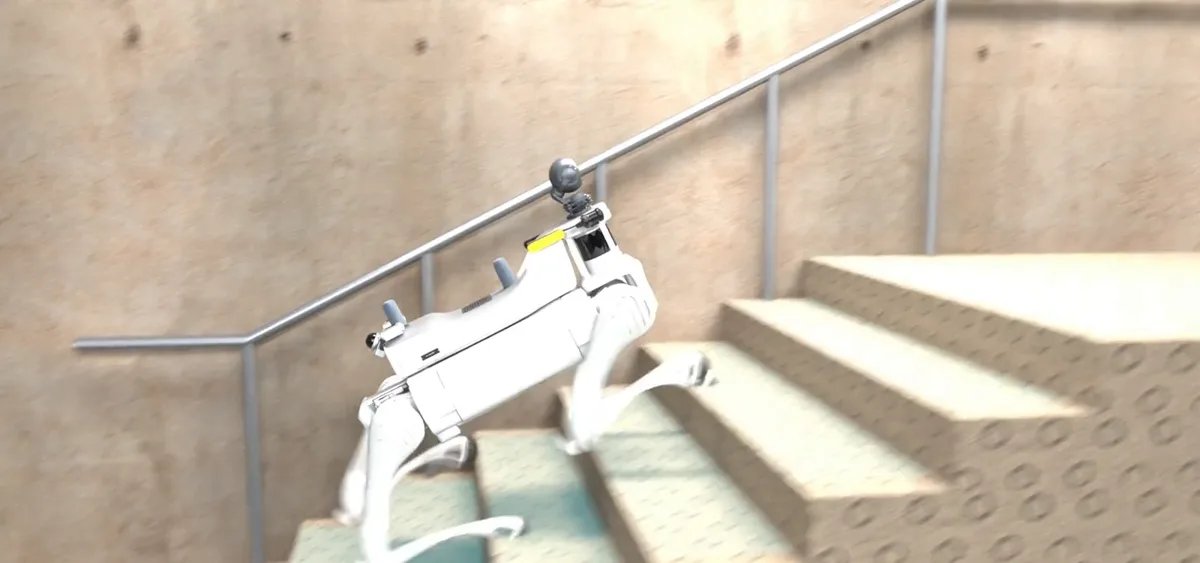
A legged robot suits sites with thresholds, ramps and stairs between plant rooms and the white space. For wide, flat halls a small tracked or wheeled base can be steadier; compare them in UGV vs robot dog for inspection.
Software: baselines, schedules and reports
Value comes from repeatability. The robot should return to the same pose at each point, compare against a stored baseline image and raise an alert only on change. Pair it with autonomous docking so it can patrol on a schedule, and with fleet software if you cover several halls.
Next step
YUANZHI ROBOTICS designs the mounts, power distribution and inspection software for sensors on robot dogs, UGVs and drones. List your inspection points in the payload configurator, review the Unitree Go2 EDU and Unitree B2 pages, or read about our inspection robot and robot payload services.
FAQ
What payload does a robot dog need for data center inspection?
A radiometric thermal camera for hot spots on breakers, busbars and rack intakes, a pan-tilt optical zoom camera for gauges, labels and status lights, and a LiDAR for localisation. An acoustic camera is a useful option for compressed-air leaks and failing fans.
Can a robot dog read server rack LEDs and labels?
Yes in principle, with a zoom camera and software that reads indicator colour, text and barcodes. Results depend on lighting and viewing angle, so test on your own racks before committing.
Is a robot dog better than a wheeled robot for a data center?
Wheeled bases are quieter, steadier and cheaper for flat floors in wide aisles. A legged robot helps where there are thresholds, cable ramps or stairs between plant rooms. Many sites need both kinds of route.
What site constraints should I check first?
Aisle width against robot footprint, raised-floor load rating, door and badge access, wireless and RF policy, fire-suppression zones and the noise the robot makes near staff.
Can YUANZHI ROBOTICS build an inspection payload for a data center?
Yes. We design the mounts, power and software for sensors on robot dogs and wheeled bases. Describe your platform and inspection points through the payload configurator.