For most oil and gas inspection rounds outside classified hazardous zones, the Unitree B2 or DEEP Robotics X30 is the practical first choice: both carry a full thermal, gas and acoustic payload with margin and both are rated IP67 by their makers. Pick the Unitree A2 when you need a lighter robot with front and rear LiDAR at a lower cost, and Boston Dynamics Spot when you want its mature software ecosystem and can live with a 14 kg payload limit. None of the standard versions should be assumed certified for explosive atmospheres.
Start with the area classification, not the robot
The first question on any oil and gas site is where the robot will walk. Tank farms, compressor stations, wellpads and process units are often split into classified zones (for example Zone 1 and Zone 2 under IECEx or ATEX). A robot that enters a classified zone needs an explosion-protection certificate for that zone, and so does every sensor on its back. Ask the robot maker for the certificate covering the exact model and zone; do not rely on an IP rating, which only covers dust and water.
Many operators start with routes that stay in unclassified areas or are run under a work permit with gas monitoring, and use the robot for the repetitive parts: walking the same route every shift, logging gauge values, taking thermal images of pumps and motors and sniffing for leaks. That is the job the four robots below are compared for.
The four robots side by side
| Robot | Own weight | Rated payload | Built-in perception | Maker's protection rating | Best fit on an oil and gas site |
|---|---|---|---|---|---|
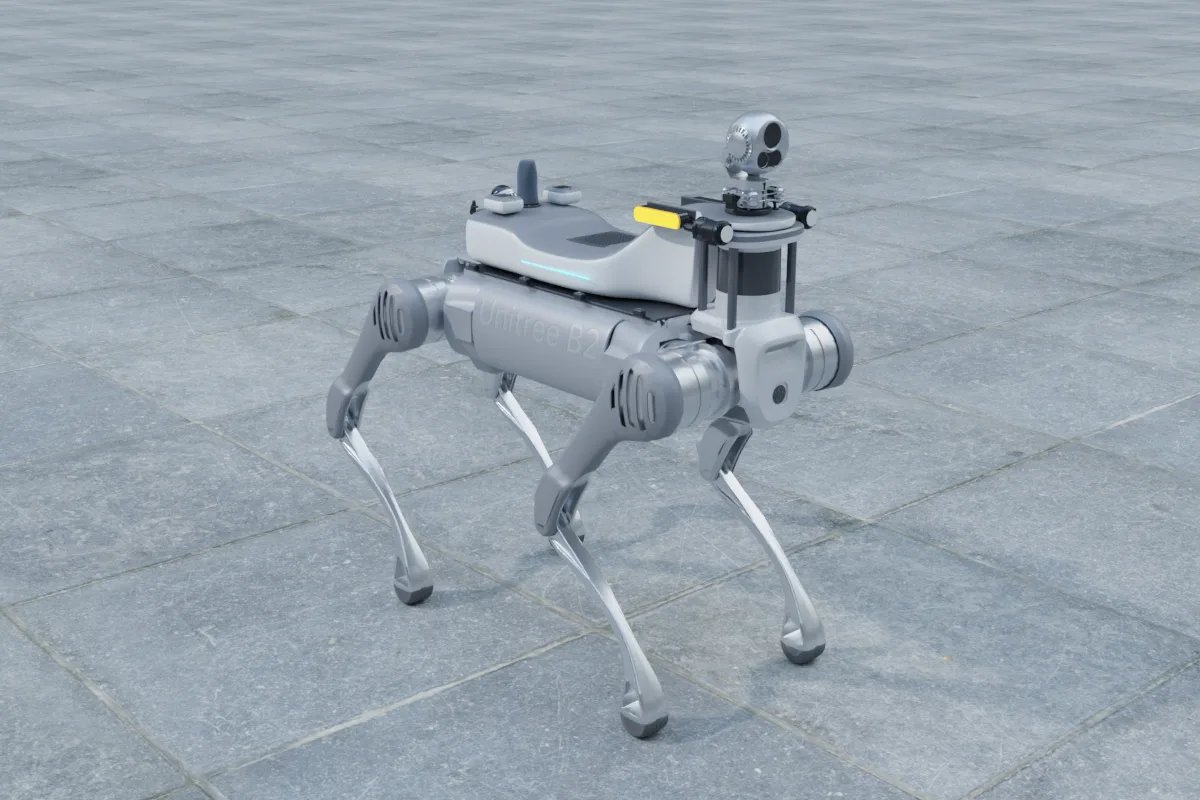
| Unitree B2 | 60 kg | 40 kg | 3D LiDAR, front and rear depth cameras | IP67 | Heavy multi-sensor payloads, long outdoor routes |
| DEEP Robotics X30 | 56 kg | 20 kg | Front and rear LiDAR, depth and wide-angle cameras | IP67 | Industrial routes in rain, dust and at night |
| Unitree A2 | 37 kg | 25 kg | Front and rear LiDAR, HD camera | Check with the maker | Medium payloads where cost and handling weight matter |
| Boston Dynamics Spot | 32.7 kg | 14 kg | 5 stereo camera pairs | Check with the maker | Teams that value its existing software and integrations |
Weights and payloads are the manufacturers' published figures. The rated payload is an upper limit; real routes with stairs, grating and slopes go better well below it.
What an oil and gas inspection payload actually weighs
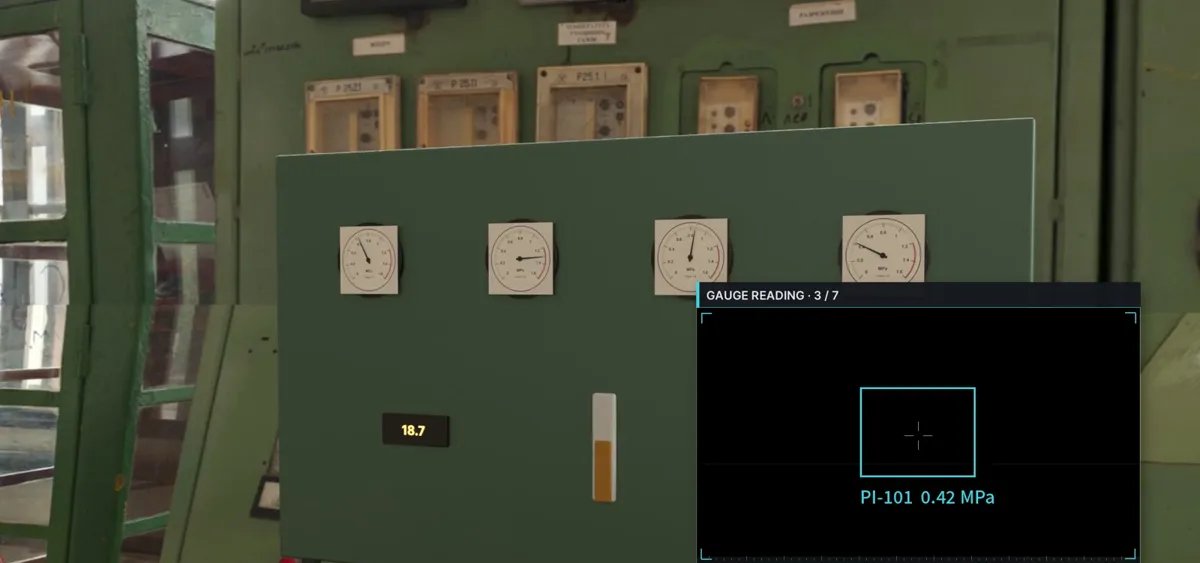
The robot choice usually follows from the payload. A typical oil and gas round combines four jobs: thermal checks on rotating equipment, gas detection, acoustic leak finding and reading analog gauges. Some real component figures:
- Dual-spectrum PTZ (Hikvision DS-2TD5566T-15/V2): about 4.5 kg and 18 W. Zoom for gauges and radiometric thermal for bearings and motors in one unit.
- Acoustic imager (CRYSOUND CRY8124): about 1.4 kg; the Fluke SV600 is lighter at about 0.85 kg. Acoustic imaging finds compressed-gas and steam leaks that a thermal camera cannot see.
- Multi-gas module (Winsen ZCE04B, four gases including CO and H2S): about 50 g and 0.5 W. Light and cheap, but it only measures the air that reaches it, so mounting position and airflow matter.
- Navigation LiDAR (Livox Mid-360): 265 g and 6.5 W, if the robot's own sensors are not enough for your mapping needs.
- Onboard compute (Jetson Orin NX 16GB class): budget up to around 40 W at peak for gauge-reading and detection models.
Add brackets, an enclosure, cabling and a 5G or mesh radio, and a full thermal, acoustic, gas and PTZ payload can reach 8 to 10 kg. On a B2 that is a comfortable fraction of the rating. On an X30 or A2 it fits, but you trade some runtime. On Spot you are close to the limit and will usually swap the large PTZ for a lighter camera. Our weight and power budget guide shows how to add this up for your own list.

Gas detection: point sensors, acoustic or optical gas imaging
Point gas sensors confirm a concentration where the robot is standing; they do not show where the leak is. Acoustic imagers locate pressurized leaks by sound, even in noisy plants, but say nothing about which gas it is. Optical gas imaging (OGI) cameras make hydrocarbon plumes visible and are the most direct way to find methane and VOC leaks, but cooled OGI cameras are heavy, power-hungry and expensive, which pushes you towards the B2. Many sites combine a point sensor for alarms with an acoustic imager for localisation. Our thermal vs optical gas imaging guide explains what each camera can and cannot detect.
Terrain, weather and the route
- Grating and stairs: process units are full of open-mesh grating and steep steel stairs. All four robots can climb stairs, but check foot slip on wet grating during your trial and keep the payload's centre of mass low and central.
- Rain, dust and heat: the B2 and X30 carry IP67 ratings from their makers, but the payload enclosure, connectors and camera windows must be sealed to match. A rated robot with an unsealed payload is only as good as the payload.
- GNSS and localization: open sites suit RTK GNSS; dense pipe racks block satellites and need LiDAR localization. Most real routes need both.
- Night rounds: thermal works in the dark, but gauge reading needs light. Plan an illuminator and test reading accuracy at night, not just during the day.
How to choose
- Map the route and mark every classified zone. If the robot must enter Zone 1 or Zone 2, start by asking each maker which certified variant exists.
- List the payload you really need and total its weight and power before you pick the robot.
- If the total is above roughly 10 kg or includes a cooled OGI camera, shortlist the B2. Between about 5 and 10 kg, the X30 and A2 are both reasonable. Below that, Spot also works.
- Run a pilot on your worst stretch of route (wet grating, stairs, pipe racks) before committing to a fleet. Our pilot project guide covers what to measure.
Next steps
You can assemble an oil and gas payload on any of these robots in our online payload configurator and see the total weight and power live. Platform notes are on the Unitree B2, DEEP Robotics X30, Unitree A2 and Boston Dynamics Spot pages. For a full build, see our robot payload integration and inspection robot services, or autonomy software if you need custom routes, gauge reading or alarm logic.
FAQ
Which robot dog is best for oil and gas inspection?
For heavy multi-sensor payloads the Unitree B2 has the most margin (40 kg rated). The DEEP Robotics X30 is a strong IP67 option for 5 to 10 kg payloads, the Unitree A2 is a lower-cost medium option, and Spot works for lighter payloads up to 14 kg.
Can a robot dog work in an ATEX or IECEx hazardous zone?
Only if the robot and every payload component are certified for that zone. Do not assume standard versions of the B2, X30, A2 or Spot are certified; ask the manufacturer for the certificate for the exact model and zone.
How heavy is a gas leak detection payload for a robot dog?
A point gas module weighs tens of grams, an acoustic imager about 0.85 to 1.4 kg and a dual-spectrum PTZ about 4.5 kg. With brackets, compute and radio, a full thermal, acoustic and gas payload can reach 8 to 10 kg.
Is acoustic imaging or optical gas imaging better on a robot?
Acoustic imaging locates pressurized leaks by sound and is light; optical gas imaging shows hydrocarbon plumes directly but cooled OGI cameras are heavy and costly. Many sites combine a point gas sensor with an acoustic imager.