Unitree Go2 EDU vs B2 for industrial inspection payloads: which one to choose
Updated 2026-10-27 · YUANZHI ROBOTICS engineering team
If your inspection payload includes a full-size dual-spectrum PTZ gimbal plus LiDAR, RTK GNSS and 5G, or the robot has to work outdoors in rain and dust for a full shift, choose the Unitree B2 (rated payload 40 kg, IP67, 4–6 h endurance). If the job is indoor or light-duty inspection with a LiDAR, a compact thermal or depth camera and onboard compute, the Go2 EDU (rated payload 8 kg) is smaller, lighter and easier to deploy. The deciding factor is almost always the payload budget, not the walking ability.
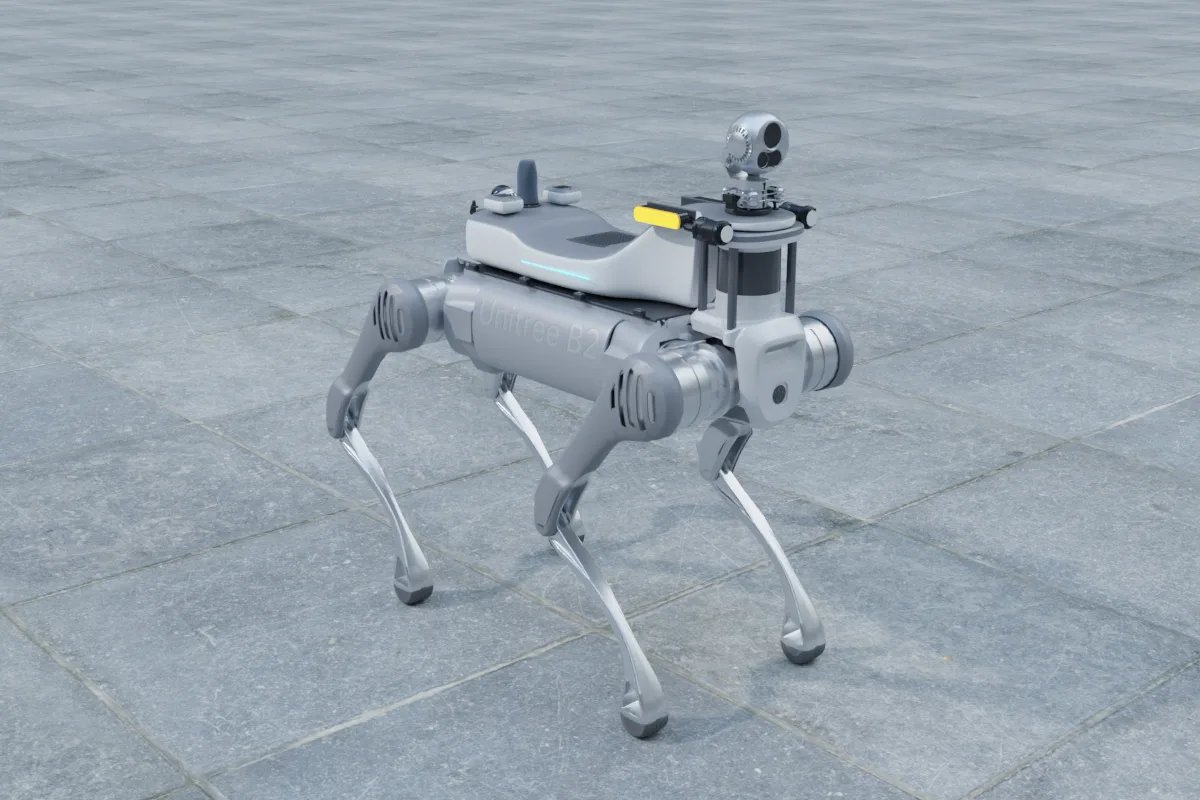
Side-by-side: the numbers that matter for a payload
These are the platform figures we use when sizing payloads in our configurator. Robot specifications are the manufacturer's ratings.
| Unitree Go2 EDU | Unitree B2 | |
|---|---|---|
| Body size (L × W × H) | 700 × 310 × 400 mm | 1098 × 450 × 645 mm |
| Robot weight | about 15 kg | about 60 kg |
| Rated payload | 8 kg | 40 kg |
| Built-in perception | L1 4D LiDAR in the head | 3D LiDAR, front and rear depth cameras |
| Environmental rating | no IP rating listed; keep out of rain | IP67 |
| Rated endurance | shorter than B2; plan battery swaps on long rounds | 4–6 hours |
| Transport | one person, fits in a car boot | two people or a cart |
| Typical inspection role | indoor rounds, labs, data centres, demos, research | substations, plants, tunnels, outdoor patrol |
How fast an inspection payload uses up 8 kg
A realistic inspection stack is heavier than it looks on a parts list. Using component data from our catalog:
- Robot-grade dual-spectrum PTZ gimbal (Hikvision HM-TD5737T-4/W): about 2 kg, about 20 W.
- Livox Mid-360 LiDAR for SLAM and navigation: about 265 g, about 6.5 W.
- Intel RealSense D435i depth camera: about 75 g, about 2.5 W.
- NVIDIA Jetson Orin NX 16GB compute: up to about 40 W at full load.
- Mounting base: a carbon-fibre back shell is about 0.95 kg, an aluminium back shell with an integrated compute bay about 1.6 kg.
- Plus RTK GNSS antennas (a pair of helical antennas is about 61 g), a 5G modem, cabling, DC-DC converters and fixings.
Gimbal, LiDAR, depth camera and an aluminium shell alone come to about 3.9 kg before compute, wiring and radios. On a Go2 EDU that is roughly half of the rated payload, which is workable for slow indoor rounds but leaves little margin for stairs, slopes or adding a speaker or gas sensor later. On a B2 the same stack is under a tenth of the rated payload, so you can add a heavier gimbal, a second LiDAR, a light, a gas detector or an extra battery without redesigning the mount. If you want to keep the dog light and still add a thermal camera, see our guide on adding a thermal camera to a Unitree Go2 EDU.
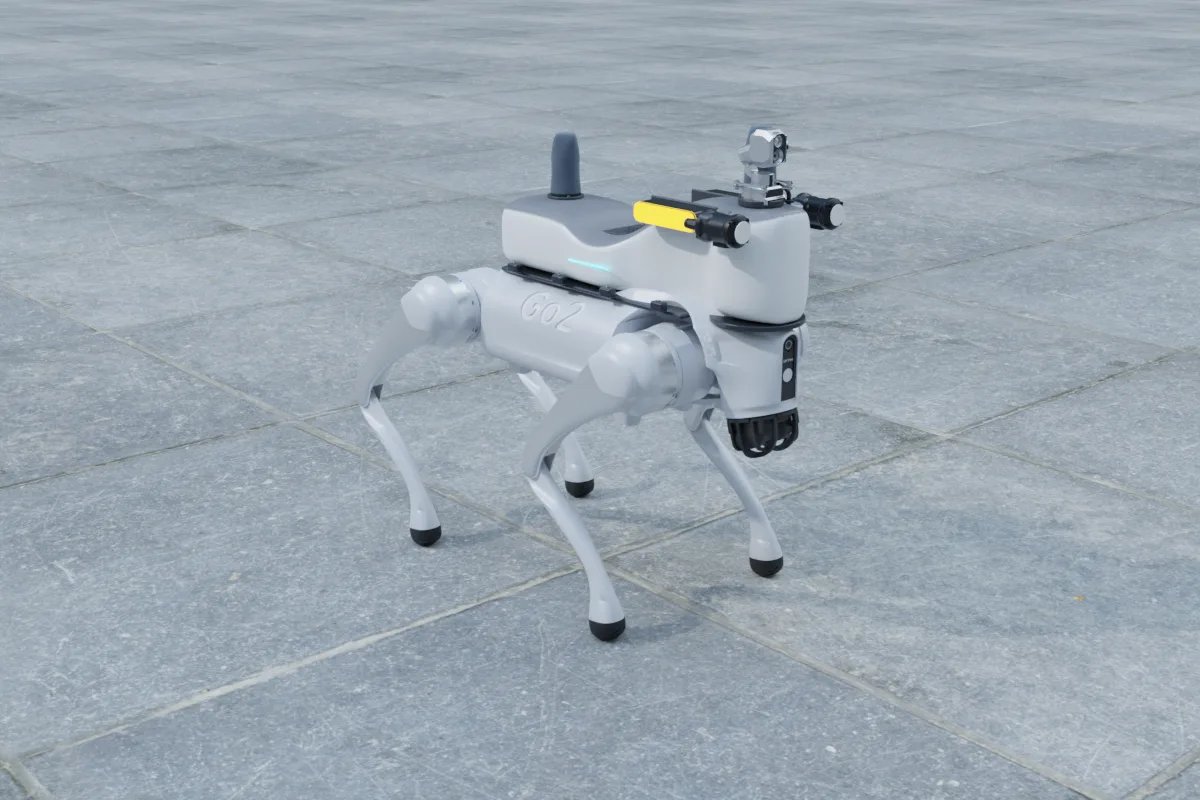
Power budget: compute and gimbal dominate
Payload power comes out of the robot's own battery, so every watt shortens the patrol. In a typical inspection stack the compute module and the gimbal are the two largest loads; the LiDAR and depth camera are small by comparison. Our full robot dog payload kit (shell, gimbal, LiDAR, antennas and lights) is about 2.5 kg with a peak of about 73 W. On a B2 that peak is a modest addition to the robot's own consumption; on a Go2 EDU it noticeably shortens runtime, so we usually recommend a lighter sensor set, duty-cycling the gimbal heater and IR illuminator, or an auxiliary battery in a raised shell.
When the Go2 EDU is the right choice
- Indoor routes: server rooms, laboratories, warehouses, building plant rooms.
- Visual and thermal spot checks with a compact camera rather than a long-zoom PTZ.
- Mapping and navigation research where the main add-ons are a LiDAR and a Jetson. See the best LiDAR for a Unitree Go2 EDU.
- Projects where several robots, frequent transport or a tight hardware budget matter more than payload headroom.
When the B2 is the right choice
- Outdoor or wet sites: substations, petrochemical plants, mines, tunnels and utility corridors.
- Long-zoom gauge reading and radiometric thermal from a full-size dual-spectrum gimbal.
- Multiple payloads at once: PTZ gimbal, LiDAR, dual-antenna RTK for outdoor heading, 5G, a speaker and lights, or a gas sensor.
- Shift-length patrols where battery swaps every hour are not acceptable.
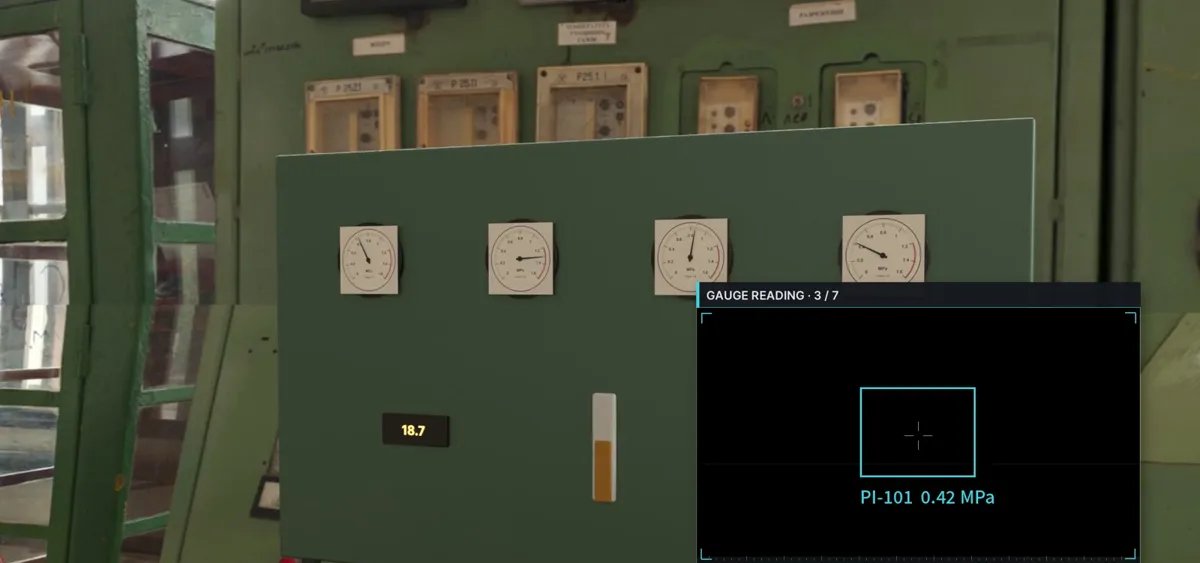
Software is the same either way
Both platforms run the same inspection software stack on a Jetson-class computer: ROS 2 drivers for the LiDAR, gimbal and cameras, LiDAR-inertial SLAM for mapping, waypoint navigation, gauge reading and thermal alarm logic. That means you can prototype a route on a Go2 EDU indoors and move the same software to a B2 for the outdoor deployment, changing mainly the mount, the power distribution and the sensor set.
Next steps
Build both configurations in our online payload configurator to see total weight and peak power against each robot's rating, then compare the platform pages for the Unitree Go2 EDU and the Unitree B2. For a complete inspection system, see our inspection robot and robot payload integration services, or autonomy and navigation development if you need custom routes and analytics.
FAQ
Is the Unitree Go2 EDU good enough for industrial inspection?
For indoor rounds, labs, data centres and light plant inspection, yes: a Go2 EDU can carry a LiDAR, a compact thermal or depth camera, a compute module and a 4G/5G modem within its rated 8 kg payload. For heavy PTZ gimbals, wet outdoor sites or long shifts, the B2 is the safer platform.
How much payload can a Unitree B2 carry compared with a Go2 EDU?
Unitree rates the B2 at 40 kg payload and the Go2 EDU at 8 kg. The B2 itself weighs about 60 kg versus about 15 kg for the Go2 EDU, so the B2 needs more handling and transport effort.
Can a Go2 EDU carry a dual-spectrum PTZ camera?
Only a compact one, and it uses a large share of the budget. A robot-grade dual-spectrum gimbal such as the Hikvision HM-TD5737T-4/W weighs about 2 kg and draws about 20 W, roughly a quarter of the Go2 EDU's rated payload before LiDAR, compute and the mounting shell are added.
Which robot dog is better for outdoor substation or plant inspection?
The Unitree B2 is usually the better fit outdoors: it is IP67-rated by the manufacturer, has 4–6 hours of rated endurance, a built-in 3D LiDAR and front/rear depth cameras, and enough payload for a PTZ gimbal, RTK GNSS and 5G at the same time.
Who can build an inspection payload for a Go2 EDU or B2?
YUANZHI ROBOTICS designs and integrates payload shells, power distribution, sensors and ROS 2 software for both Go2 EDU and B2 robots. You can compare configurations in the online configurator and request a quote.