ROS 2 Humble vs Foxy for a new robot payload project
Updated 2026-11-23 · YUANZHI ROBOTICS engineering team
For a new robot payload project, start on ROS 2 Humble. Foxy reached end of life in June 2023 and no longer gets security or bug fixes, while Humble is a long-term support release supported until May 2027. Use Foxy only where it is forced on you, typically by a robot computer that is locked to Ubuntu 20.04, and even then keep your own payload code buildable on Humble so you can move later without a rewrite.
The choice is rarely about ROS features alone. It is decided by the operating system your onboard computer can run, the drivers your sensors ship, and what the robot vendor's SDK supports. This guide walks through those three constraints in the order we check them when we design a payload for a robot dog or UGV.
The short comparison
| Foxy Fitzroy | Humble Hawksbill | Jazzy Jalisco | |
|---|---|---|---|
| Released | June 2020 | May 2022 | May 2024 |
| End of life | June 2023 (ended) | May 2027 | May 2029 |
| Target Ubuntu | 20.04 | 22.04 | 24.04 |
| NVIDIA Jetson Orin base OS | JetPack 5.x (Ubuntu 20.04) | JetPack 6.x (Ubuntu 22.04) | Needs an Ubuntu 24.04-based JetPack for your module, or a container |
| Third-party driver coverage today | Shrinking; new driver releases often skip it | Broadest; the default target for most vendors | Growing, but check every driver |
| Good fit for | Legacy robots locked to Ubuntu 20.04 | New payloads on Jetson Orin and x86 | New projects that must run past 2027 and do not depend on JetPack |
Humble is the safe middle: it is supported long enough to cover a typical pilot and first deployment, it matches the current JetPack generation for Orin modules, and almost every LiDAR, camera and GNSS vendor publishes a Humble package.
Constraint 1: the onboard computer decides the operating system
ROS 2 distributions are tied to an Ubuntu version, and on embedded computers the Ubuntu version is tied to the board support package. On NVIDIA Jetson Orin modules (Orin Nano, Orin NX, AGX Orin), JetPack 5 is based on Ubuntu 20.04 and JetPack 6 on Ubuntu 22.04. That makes the mapping simple: JetPack 5 means Foxy natively, JetPack 6 means Humble natively.
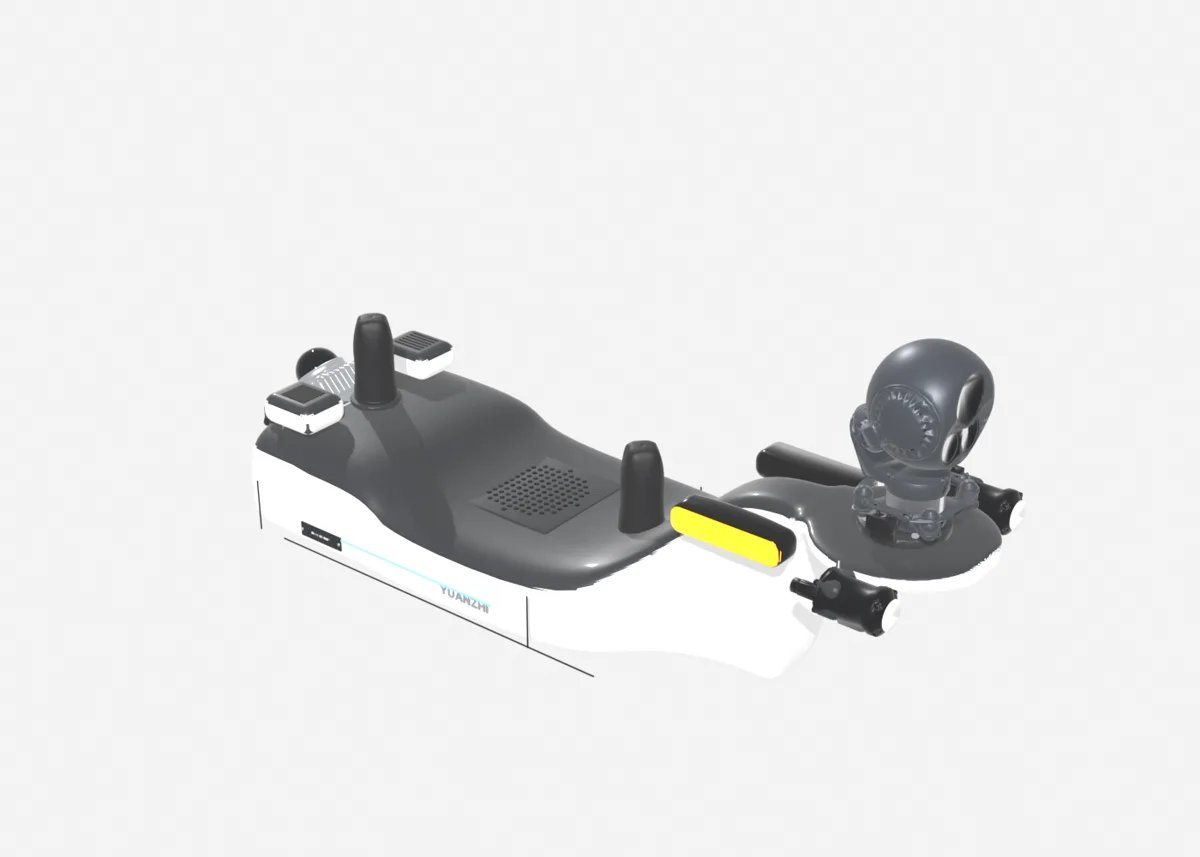
The trap is a computer you cannot reflash. A robot's built-in expansion computer is often delivered with the vendor's image and vendor services on it, and reflashing it may break the robot's own functions or affect your warranty. In that case you have three options:
- Stay on the shipped OS and run Foxy, accepting that there are no upstream fixes.
- Run Humble in a container on the shipped OS. This works well for most payload nodes; GPU access and low-latency camera paths need more care.
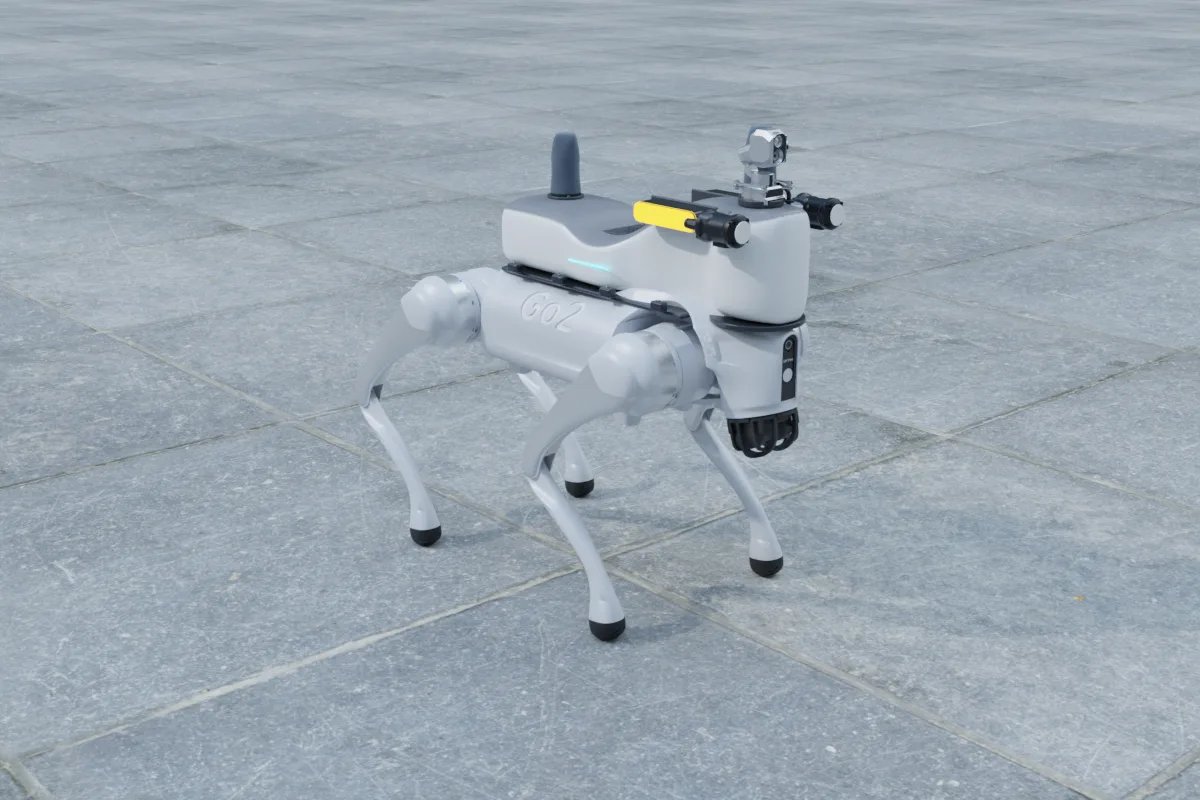
- Add a second computer in the payload that runs Humble, and keep the robot computer for the vendor's software. This costs weight and power but separates your code from the robot image cleanly. Our guide on running a Go2 EDU payload on the Jetson you already have covers when reusing the built-in computer is enough.
Constraint 2: every sensor driver must exist for your distro
Before committing to a distribution, list every device in the payload and confirm that its ROS 2 driver builds and runs on that distro and architecture (usually arm64 on Jetson). In practice:
- LiDAR. Major vendors such as Livox and Hesai publish ROS 2 drivers that build on Humble; older releases may also cover Foxy. Check the exact tag you plan to use, not just the repository name.
- Depth cameras. Newer Intel RealSense ROS wrapper releases target Humble and later; staying on Foxy can pin you to an older wrapper and older firmware combinations.
- Gimbals, thermal cores and PTZ cameras. Many ship only a C/C++ SDK or an RTSP stream. You will write a thin ROS 2 node either way, so the distro matters less, but write it against Humble APIs.
- GNSS/RTK and IMU. NMEA and vendor binary drivers are usually simple to build on any distro; time synchronisation matters more than the distro here.
Our ROS 2 driver checklist for robot sensors lists what to test for each driver once it builds.
Constraint 3: the robot vendor's SDK and DDS settings
Robot dogs and UGVs expose their state and commands through the vendor's SDK or ROS 2 interface, and that interface has its own supported distros. Unitree's ROS 2 interface for the Go2, for example, communicates over DDS and documents both Foxy and Humble setups. Whichever you pick, configure the DDS implementation and network interface the vendor documents; most "topics not visible" problems on a new payload are DDS discovery settings, not code.
Mixing distros on one DDS network (Foxy on the robot, Humble in the payload) is not officially supported. Simple standard messages often work, but message definitions and DDS defaults differ between releases. If you must mix, put a bridge node at the boundary and test it under load rather than relying on direct topic exchange.
What you gain by moving from Foxy to Humble
- Navigation. Nav2 on Humble includes features that are not in the Foxy release, such as the collision monitor and newer planners and controllers. If the payload is meant for autonomous navigation, this alone usually decides it. See running Nav2 on a Unitree Go2 EDU.
- Fixes and security updates. Humble still receives patch releases; Foxy does not.
- Hiring and support. Most current tutorials, packages and engineers assume Humble or later.
A practical migration path if you are stuck on Foxy
- Keep the robot computer on its shipped image and stop installing project code on it.
- Build your payload nodes in a Humble container or on a payload computer, with the robot interface isolated behind one node.
- Pin driver versions and record them in the repository, so the build is repeatable on a second robot.
- When the vendor releases a newer image, move the robot side; your payload side does not change.
Avoid porting code backwards from Humble to Foxy to "match the robot". It costs time and leaves you on an unsupported release.
Getting help with the software side
If you are planning a payload and want the distro, computer and drivers settled before you buy parts, build a configuration in our payload configurator and send it for review. Platform pages such as Unitree Go2 EDU and Clearpath Husky A200 list what fits each robot. For ROS 2 integration, navigation and custom nodes, see our robot autonomy service and robot payload integration service.
FAQ
Should I use ROS 2 Foxy or Humble for a new robot project?
Humble. Foxy reached end of life in June 2023 and gets no more fixes, while Humble is supported until May 2027 and is the distro most sensor vendors now target.
Which ROS 2 version runs on a Jetson Orin NX?
It follows the JetPack version: JetPack 5.x is Ubuntu 20.04, which matches Foxy, and JetPack 6.x is Ubuntu 22.04, which matches Humble. Other distros can run in containers.
Can ROS 2 Foxy and Humble nodes talk to each other?
Mixing distros on one DDS network is not officially supported. Simple standard messages may work, but for a reliable system put a bridge node at the boundary and test it under full load.
Is ROS 2 Jazzy better than Humble for a robot payload?
Jazzy is supported longer (to May 2029) and targets Ubuntu 24.04, but on Jetson it needs an Ubuntu 24.04-based JetPack for your exact module or a container, and some drivers lag behind. For Jetson Orin payloads Humble is usually the practical choice today.
Who can port a robot payload from ROS 2 Foxy to Humble?
A robot software integrator familiar with your robot's SDK and sensors. YUANZHI ROBOTICS integrates ROS 2 payloads, drivers and navigation on robot dogs, UGVs and drones.