What drives the cost of a robot dog sensor payload? A line-by-line breakdown for buyers
Updated 2026-10-28 · YUANZHI ROBOTICS engineering team
The cost of a robot dog payload comes down to seven drivers: which robot it goes on, the grade of the sensors (LiDAR and gimbal matter most), the onboard computer, the type of mount or back shell, communications and GNSS, the software you need, and the level of testing and documentation. Hardware choices are easy to see on a parts list; software scope is the line that moves a quote the most. This guide explains each driver so you can compare quotes fairly and decide where to spend.
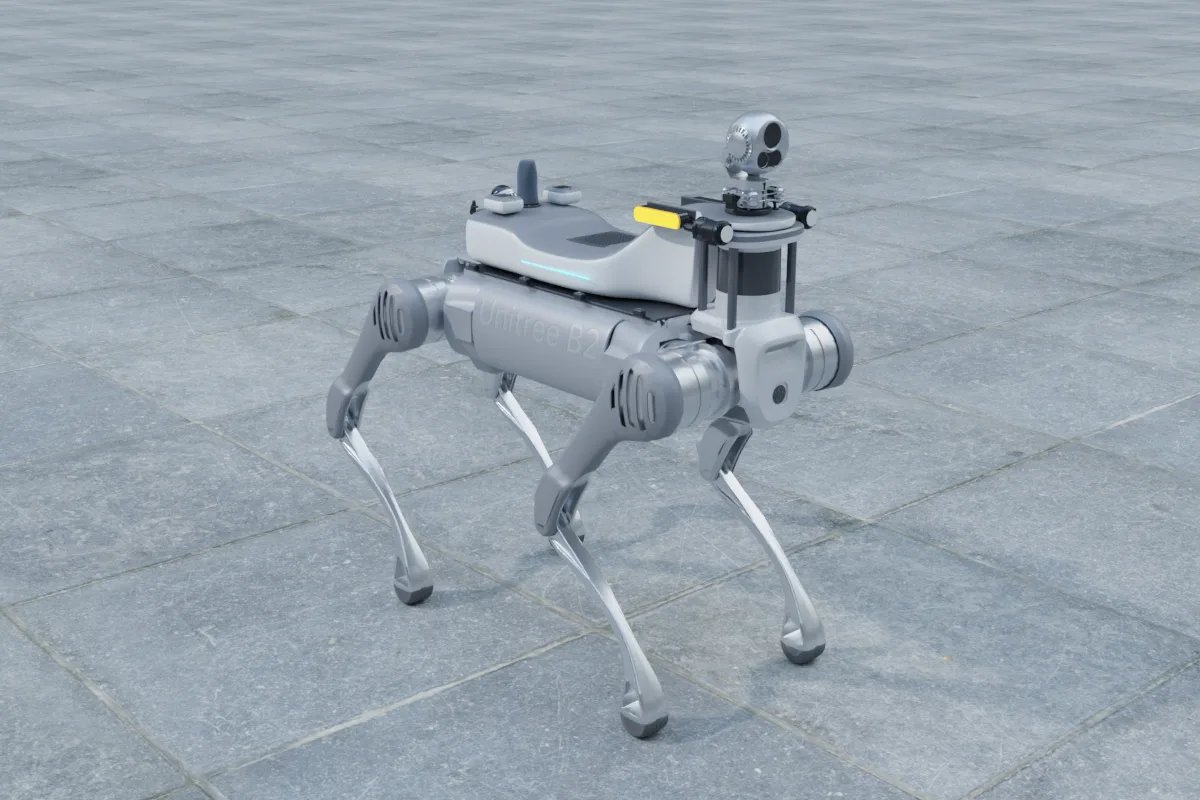
The seven cost drivers at a glance
| Driver | What pushes cost up | What keeps it down |
|---|---|---|
| 1. Platform class | Large robots with high payload ratings carry heavier, more capable sensors, and each new model needs its own mount design | A platform the integrator already has mount drawings for |
| 2. Sensor grade | Multi-beam spinning LiDAR, gas or acoustic imagers, high-zoom dual-spectrum gimbals | One solid-state LiDAR plus one depth camera |
| 3. Gimbal | Zoom plus radiometric thermal, sealed housing, PTZ control integration | Fixed cameras where pan and tilt are not needed |
| 4. Compute | Higher-end Jetson modules, rugged enclosures, a second computer | Reusing the robot's existing onboard computer |
| 5. Mount and enclosure | Sealed one-piece back shell, double-deck shell, reinforced arm base | Quick-release rail plate |
| 6. Comms and GNSS | 5G module, dual-antenna RTK heading, private radio links | Wi-Fi only, no outdoor positioning |
| 7. Software, testing, documentation | Autonomous routes, analytics, a web console, site tuning, formal test reports | ROS 2 drivers and launch files only, buyer writes the application |
1. Platform class sets the ceiling
The robot's rated payload decides what you can carry, and therefore which price tier of sensors makes sense. Published ratings: DEEP Robotics Lite3 4 kg, Unitree Go2 EDU 8 kg, Boston Dynamics Spot 14 kg, DEEP Robotics M20 15 kg, DEEP Robotics X30 20 kg, Unitree A2 25 kg and Unitree B2 40 kg. A Go2 payload is built around light sensors and a compact computer; a B2 can take a full gimbal, a larger LiDAR and a bigger enclosure. Stay well inside the rating so battery life and stair climbing are not compromised.
The second platform effect is engineering reuse. If an integrator has already designed mounts, cable routing and power taps for your exact model, you pay mainly for parts and assembly. A model they have never worked on adds mechanical design and test time.
2. Sensor grade: LiDAR is the first big decision
LiDAR choice changes cost, weight and power together. Examples from our component catalog (manufacturer data):
- Livox Mid-360: 265 g, 6.5 W, 360° × 59° field of view, 70 m range. The common default on small robot dogs.
- Unitree L2: 230 g, 10 W. A light option on Unitree platforms.
- Ouster OS1 (Rev7): 377 g, 20 W. Higher power draw, which affects battery sizing and DC-DC design.
- Hesai PandarXT32: 800 g, 9 W. Heavier, usually better suited to B2, X30 or UGV-class bases.
Depth cameras are a smaller line: an Intel RealSense D435i is 75 g and 2.5 W; a Stereolabs ZED X is 239 g. Specialist sensors such as gas leak detectors or acoustic imagers (a CRYSOUND CRY8124 is about 1.4 kg) add both purchase cost and integration effort, because each needs its own driver, data pipeline and alarm logic. For a deeper LiDAR comparison see Best LiDAR for a Unitree Go2 EDU.
3. Gimbals: zoom and thermal raise the price fastest
A dual-spectrum PTZ gimbal is often the most expensive single sensor on an inspection payload. Weight also limits where it can go: a Hikvision HM-TD5737T-4/W is about 2.0 kg and 20 W and fits robot dogs from Spot class upward, while large PTZ units such as the Dahua DH-TPC-PT8X20 (about 18 kg, 70 W) belong on a UGV. If you only need to read a few gauges from known positions, a fixed camera plus a small thermal core (a FLIR Boson 640 core is 7.5 g and 0.5 W) can replace a full gimbal at a fraction of the weight.
4. Compute: match the module to the software
Compute cost follows the AI workload. Typical NVIDIA modules and their maximum power: Jetson Orin Nano 8GB 25 W, Jetson Orin NX 16GB 40 W, Jetson AGX Orin 64GB 60 W. Mapping, navigation and one or two detection models usually run on an Orin NX 16GB; several concurrent vision models or large-model inference push you to AGX Orin, which also needs more power and cooling inside the shell. If your robot already has a Jetson running Ubuntu and ROS 2 with spare ports, reusing it removes a whole line from the quote.
5. Mount and enclosure
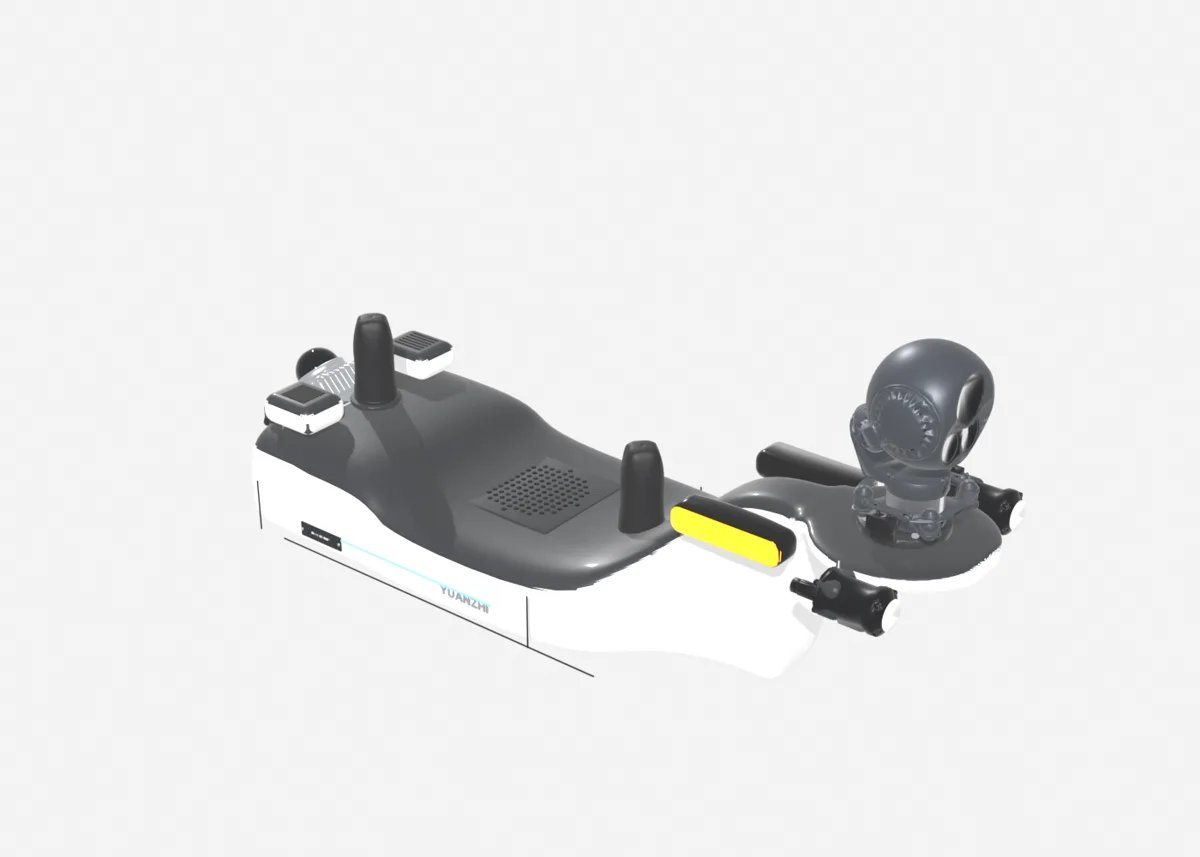
The mechanical interface ranges from simple to fully enclosed. In our own designs a quick-release rail plate weighs about 0.65 kg, a carbon-fibre lightweight back shell about 0.95 kg, a one-piece back shell with internal power and network distribution about 1.6 kg, a reinforced arm base about 2.1 kg and a raised double-deck shell about 2.4 kg. A sealed shell costs more to design and build but protects wiring and electronics outdoors and keeps the robot's centre of mass tidy. Every gram of mount is a gram you cannot spend on sensors, so on a Go2 the lighter options matter.
6. Communications and GNSS
A 5G module such as the Quectel RM520N-GL adds remote video and control outside Wi-Fi range, plus a SIM plan. Outdoor RTK positioning with heading uses a dual-antenna receiver (for example a Unicore UM982 board) and two survey antennas such as the Harxon HX-CH7609A (about 30.5 g each); antenna placement and baseline length on a small robot body take design time. Indoor-only robots can usually skip both.
7. Software, testing and documentation: the largest variable
This is where quotes differ most. Roughly, scope grows in steps:
- Drivers only: ROS 2 drivers, correct TF frames, a launch file and a data recording setup. You write the application.
- Autonomy: LiDAR mapping, localization, waypoint routes and obstacle handling tuned to your site.
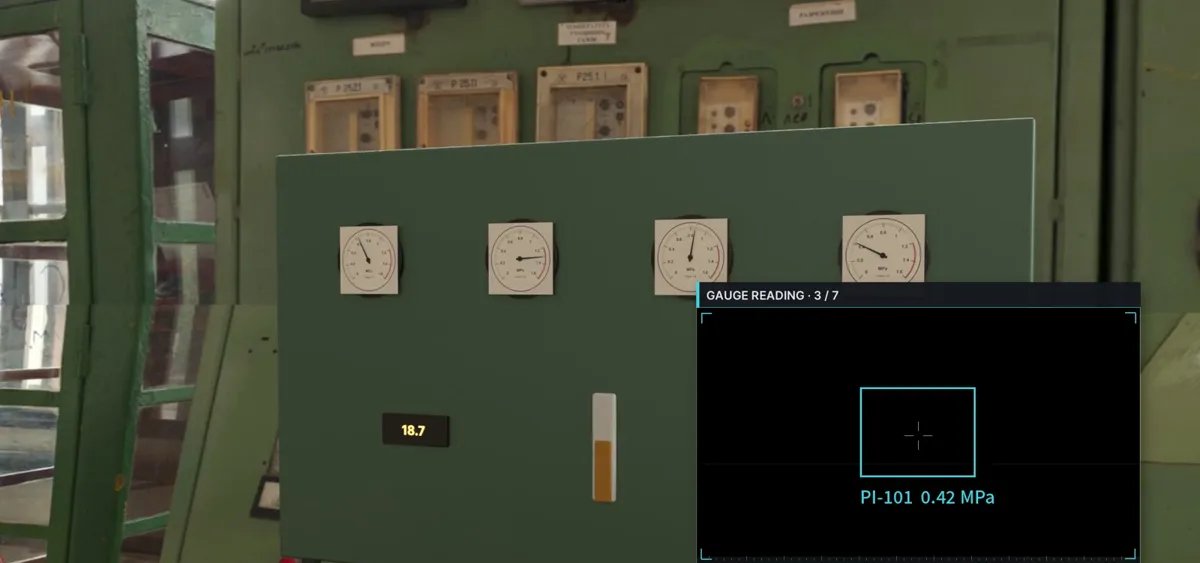
- Inspection application: gauge reading, thermal thresholds, alarms, reports and a web console.
- Integration with your systems: data upload to your platform, lift or door control, multi-robot management.
Each step adds development and on-site tuning time. Testing level matters too: a bench test, a walking test on stairs and slopes, and a formal acceptance test with written reports are three different costs. Ask every supplier to state which of these are included. Our guide to choosing a payload integrator lists the deliverables to check.
Other factors: quantity, delivery and support
Design cost is shared across units, so a batch of several identical payloads costs less per unit than a single one. Shipping batteries and radio modules internationally, local radio certification of 5G or RF parts, spare parts and remote support after delivery are often quoted separately; confirm them early.
How to get a firm quote quickly
Fix the robot model, the sensor list and a written software feature list, then ask for a quote against that list. The fastest way to do this is the YUANZHI ROBOTICS payload configurator: pick a platform such as the Unitree Go2 EDU, Unitree B2 or Boston Dynamics Spot, add sensors and see total weight and peak power before you submit. Hardware and software can be quoted separately, and we can send a feature list for the software side. Read more about our robot payload integration, autonomy software and quadruped development services.
FAQ
How much does it cost to add sensors to a Unitree Go2 or B2?
It depends on the sensor list and the software you need. Hardware cost scales with the LiDAR, gimbal and computer you choose; software scope (navigation, inspection analytics, a web console) is often the largest single line. Send a component list and a feature list to an integrator for a firm quote.
Why do two quotes for the same robot dog payload differ so much?
Usually because they cover different scope: one may include only a mounting plate and wiring, the other a sealed back shell, power distribution, ROS 2 drivers, calibration, a walking test and documentation. Compare quotes line by line against the same deliverables list.
Is software or hardware the bigger cost in a robot dog payload?
For a simple sensor-logging payload, hardware dominates. Once you add autonomous routes, gauge reading, thermal alarms or a fleet console, software development and field tuning normally become the larger share.
Can I lower payload cost by reusing my own Jetson computer?
Often yes. If your existing Jetson Orin runs Ubuntu and ROS 2 and has spare Ethernet, USB and power budget, an integrator can connect new sensors to it instead of supplying a second computer.
What information do I need to get a fast payload quote?
The robot model, the sensor list (or the measurements you need), the operating environment, the software features you expect, the quantity, and the delivery country. A configuration link from an online configurator covers most of this in one step.