What determines the price of a robot payload: sensors, integration and software
Updated 2026-11-06 · YUANZHI ROBOTICS engineering team
Buyers comparing payload quotes for a robot dog or a UGV often see prices that differ by a factor of five for what looks like the same thing: a box on the robot's back with a camera and a LiDAR. The difference is not arbitrary. A payload price is built from a handful of lines, and each line has a few variables that move it. This guide breaks the price down, gives our public starting prices as reference points, and lists what you can decide to bring a quote down.
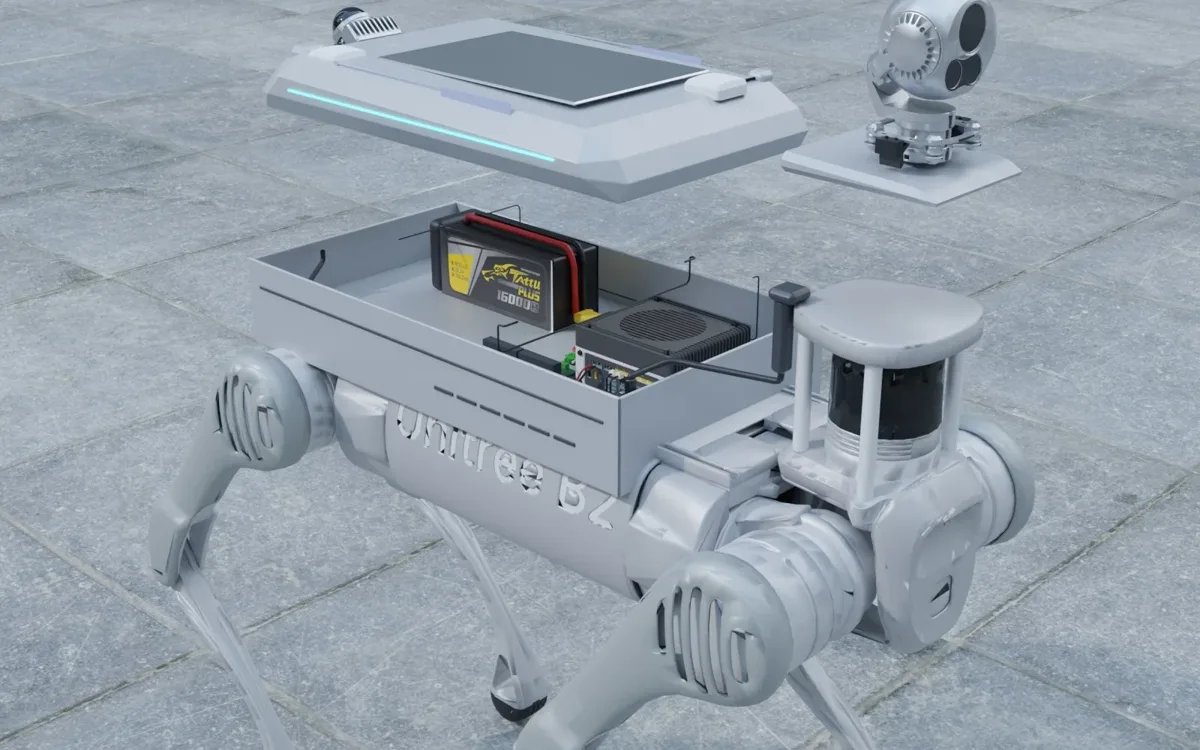
The five lines of a payload price
| Line | What is in it | What makes it vary |
|---|---|---|
| Sensors | Cameras, thermal, LiDAR, RTK, gas, microphones, lights | Thermal resolution and radiometry, LiDAR class, number of sensors |
| Computer | Payload computer, storage, network, 4G or 5G | AI workload (Orin Nano vs Orin NX vs AGX), radio bands |
| Integration | Bracket, enclosure, power board, wiring, calibration, factory test | Robot model already supported or new, sealing, battery |
| Software | Mapping, navigation, inspection logic, operator app, server, integration | Tier, custom features, number of robots |
| Logistics | Packing, lithium paperwork, freight, insurance, duties | Destination, incoterm, battery class |
Reference points from our public prices
- Entry mapping kit from US$2,000: Livox Mid-360 LiDAR, machined bracket, regulated power and cabling, and a ROS 2 mapping setup, for a robot that already has a computer or for a customer who adds their own.
- Complete inspection kit from US$8,690: thermal and zoom camera head, LiDAR, RTK, lights, gas sensing and the inspection application on a supported robot.
- Jetson Orin NX 16 GB computer: US$2,290 added to a kit, installed and configured.
These are starting prices for supported robots; the sections below explain what moves a quote above them.
Sensors: the largest and most variable line
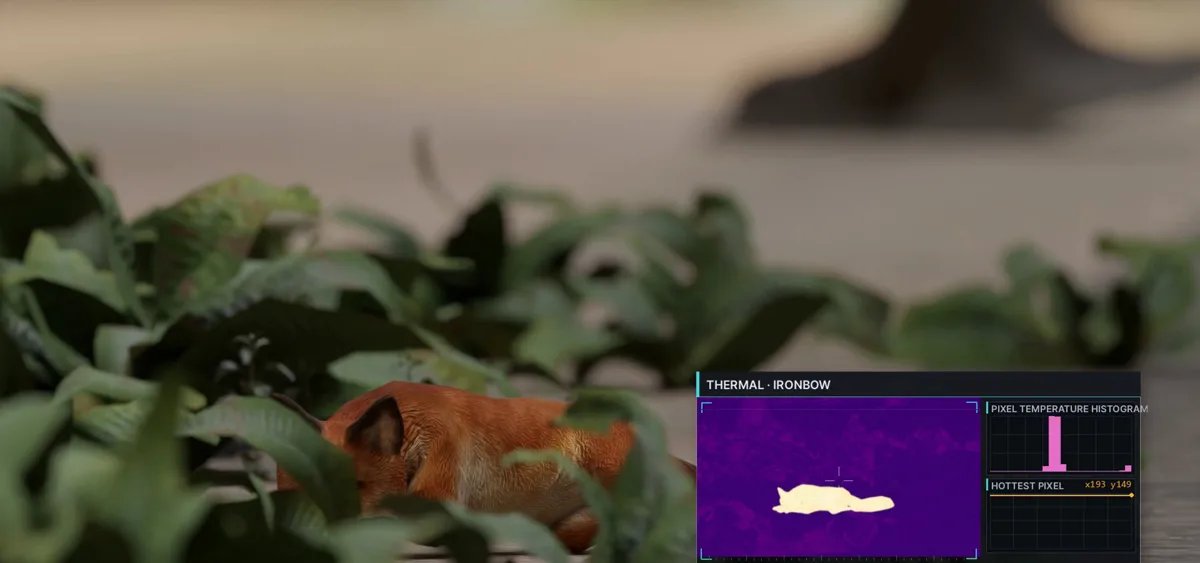
The thermal camera is usually the biggest single item. A non-radiometric thermal core that shows hot spots is inexpensive; a radiometric dual-spectrum gimbal that reports calibrated temperatures costs several times as much, and higher thermal resolution multiplies it again. LiDAR is next: a Mid-360 class sensor is mid-range, while long-range or survey-grade units cost much more and are rarely needed for inspection rounds. Gas sensing ranges from two common gases to multi-gas blocks with special cells for refrigerants or toxic gases.
Integration: why a supported robot is cheaper
For a robot we already build for, the bracket drawings, power interface, cable routes and test procedure exist, and integration is assembly, calibration and test. A robot model nobody has built for before needs mount design against the actual back, power measurement, a gait and balance check with the payload mass and a more careful first unit: a one-time engineering charge per model. Sealing to a laboratory-tested IP rating, explosion protection or EMC testing add their own cost and time.
Software: tiers rather than hours
We sell the application as perpetual licences per robot in three tiers: navigation (mapping, autonomous navigation, app and web console), inspection (points, scheduled rounds, thermal and gauge reading, gas readings, auto-return to the dock, reports, remote commissioning hours) and an on-premises server tier with an API to the customer's systems and a custom detection model trained on site images. Site-specific features beyond the tiers are quoted as development work.
Logistics and duties
Lithium batteries need dangerous-goods paperwork; freight depends on mass and destination; duties depend on the importing country and the goods' classification. We quote either delivered to your door with duties included or delivered without duties for customers who import under their own number, so the comparison with a local supplier is like for like.
How to bring a quote down
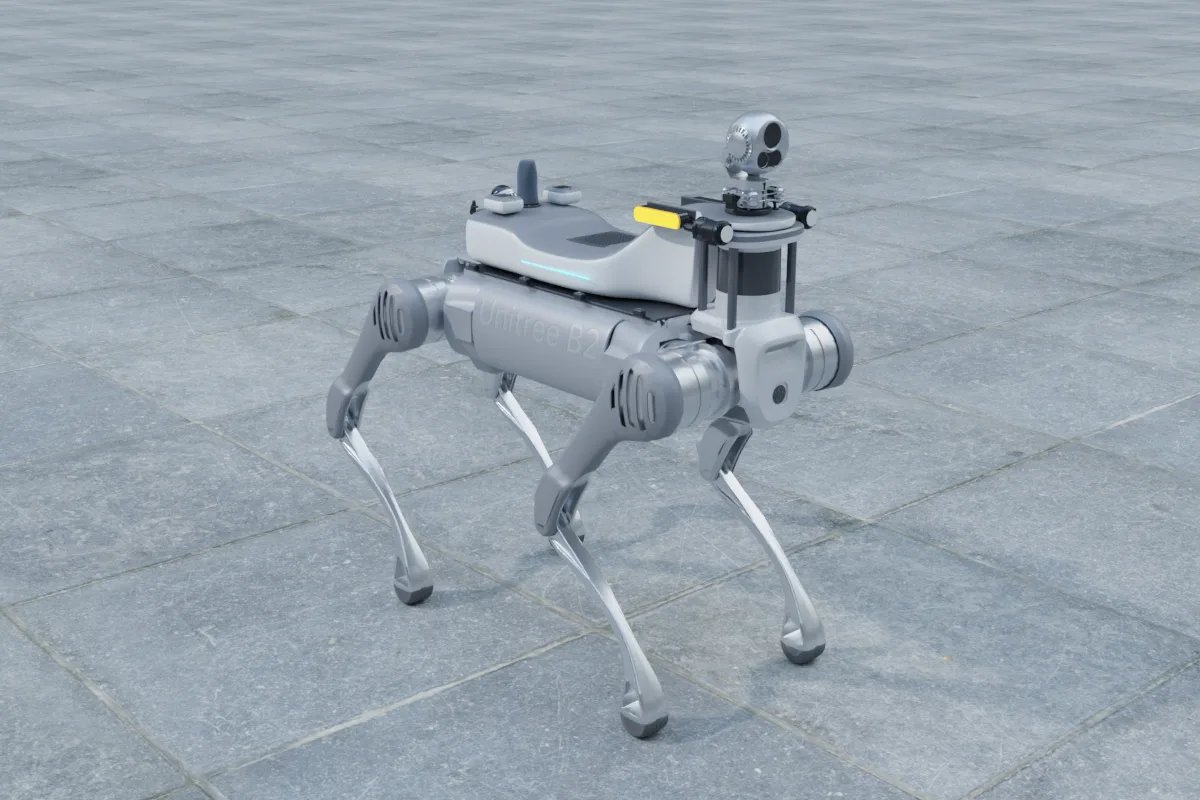
- Choose a robot model the supplier already supports.
- Decide whether you need radiometric thermal or only hot-spot detection.
- Start with the software tier you will use in the first months; tiers can be upgraded.
- Reuse what the robot already has: its LiDAR for close obstacles, its battery if the payload's power budget allows.
- Freeze the sensor list with the order; changes after procurement starts cost time and money.
Send us the robot model, the task or sensor list, indoor or outdoor, the software tier and the delivery country, and we will reply with an itemised quotation that shows each of these lines separately.
FAQ
Why do two payloads with the same sensors have different prices?
Integration and software. One may be a bracket and loose cables; the other has a sealed enclosure, a regulated power board with protection, calibrated extrinsics, a factory test and an application that runs rounds unattended. The second costs more to build and much less to operate.
Which sensor drives the price most?
Usually the thermal camera. A radiometric dual-spectrum gimbal costs several times a non-radiometric one, and higher thermal resolution multiplies it again. LiDAR is the second: a Mid-360 is mid-range, survey-grade or long-range units cost much more.
How much does a new robot model add?
A one-time engineering charge for the mount design, power interface measurement, gait and balance checks and the first-unit test. It is charged once per model, not per unit, and disappears from the second order onward.
Is the software a one-off cost?
We sell perpetual licences per robot in tiers: navigation, inspection, and an on-premises server with integration and a custom detection model. Remote commissioning hours are included in the higher tiers. Updates within the version are included; site-specific development is quoted separately.
What should I send to get a firm quote?
The robot model and whether you already own it, the sensor list or the inspection task, indoor or outdoor and any certification requirement, the software tier, the delivery country and whether you import yourself or want delivered duty paid.