How long does a robot dog payload integration take, and what decides the lead time
Updated 2026-11-05 · YUANZHI ROBOTICS engineering team
The question behind most first enquiries is not what a payload costs but when the robot can start working. The honest answer is a range, and the range depends on a few identifiable things: which robot, which sensors, whether the integrator has built for that robot before, what certifications are required, and how much the customer prepares during the build. This guide lays out the timeline stage by stage, explains what stretches and shortens each stage, and gives a planning template for a project.
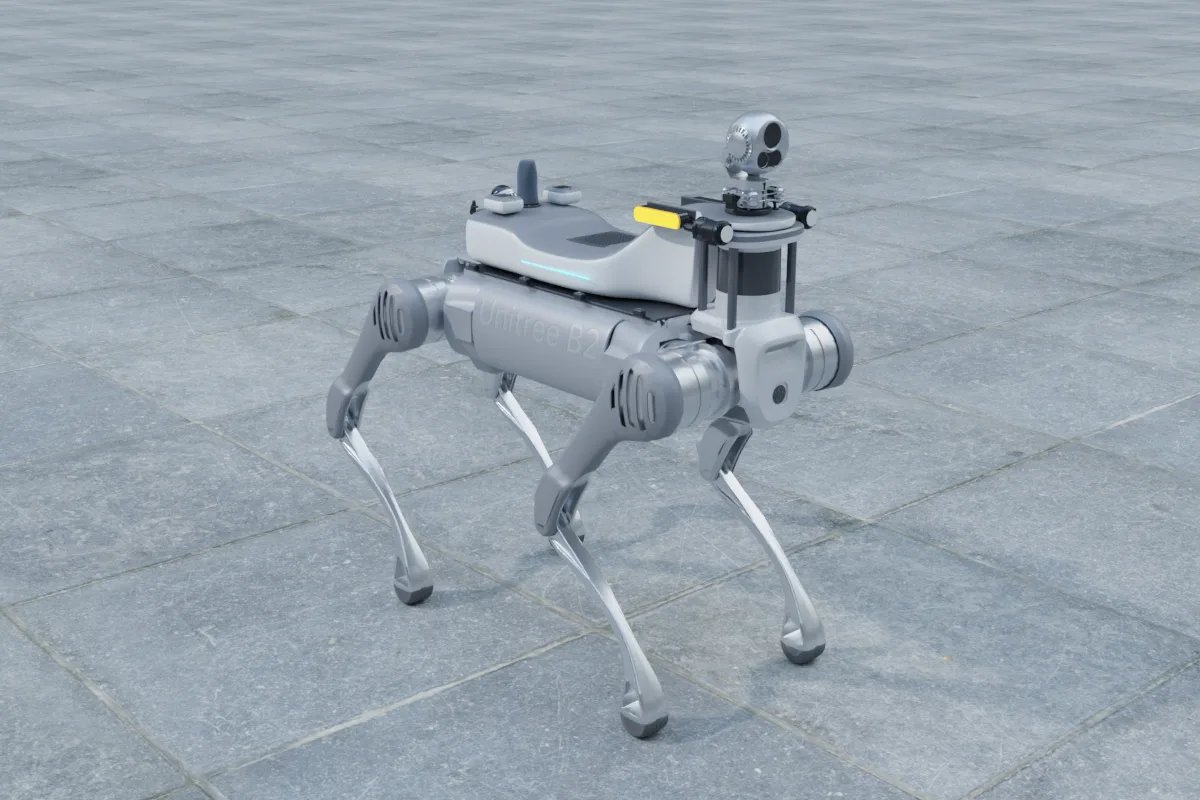
The stages and their typical durations
| Stage | Typical duration | What drives it |
|---|---|---|
| Order confirmation and sensor list freeze | 1 to 5 days | How quickly the customer decides; changes after this point restart the clock on affected parts |
| Component procurement | 2 to 5 weeks, in parallel | Gimbal, LiDAR variant, 5G router, battery certification; stocked sensors arrive in days |
| Mount and enclosure manufacturing | 1 to 2 weeks, in parallel | CNC aluminium or sheet metal from existing drawings; new drawings for a new robot model add 2 to 4 weeks |
| Assembly, wiring and software installation | 3 to 5 days | Standard kits have a build sheet; custom sensor sets take longer |
| Calibration and factory test | 2 to 4 days | Sensor extrinsics, thermal reference check, mapping and navigation run on the test floor, dock cycle, recorded test |
| Packing and export documents | 2 to 3 days | Lithium battery paperwork, crates, certificate of origin |
| Transit | 5 to 10 days express, 4 to 6 weeks sea | Destination, customs, battery shipping class |
| Site commissioning | 1 to 2 weeks | Mapping, inspection points, first rounds, operator training; remote or on site |
Procurement and manufacturing run in parallel, so the elapsed time from order to shipment for a standard kit is 4 to 6 weeks, set by the slowest component. From order to a robot running rounds on site, 7 to 10 weeks is a realistic plan with express shipping.
What stretches the schedule
- A new robot model. Mount design against the robot's actual back, power interface measurement, cable routing, a gait and balance check with the payload mass, and a first unit that is tested more carefully: 4 to 8 weeks on top, once per model, not per unit.
- Sensors outside the standard list. A gas block with unusual cells, an acoustic imager, a specific industrial camera: supplier lead time plus a new driver and a new mounting detail. Each one is quoted with its own time.
- Certification. A third-party IP test, EMC testing or explosion protection adds laboratory scheduling, typically 3 to 8 weeks, and may require design changes after the first result.
- Software features. Anything beyond the standard application (a new recognition model trained on the customer's images, an interface to a specific maintenance system, a custom report) is development work with its own schedule, usually 2 to 6 weeks and in parallel with the build if specified early.
- Changes after order. Swapping the gimbal or the LiDAR after procurement has started restarts that component's lead time and may change the mount.
- The robot itself. Manufacturer delivery times vary from stock to 8 weeks by model and region; export paperwork for the robot is separate from the payload's.
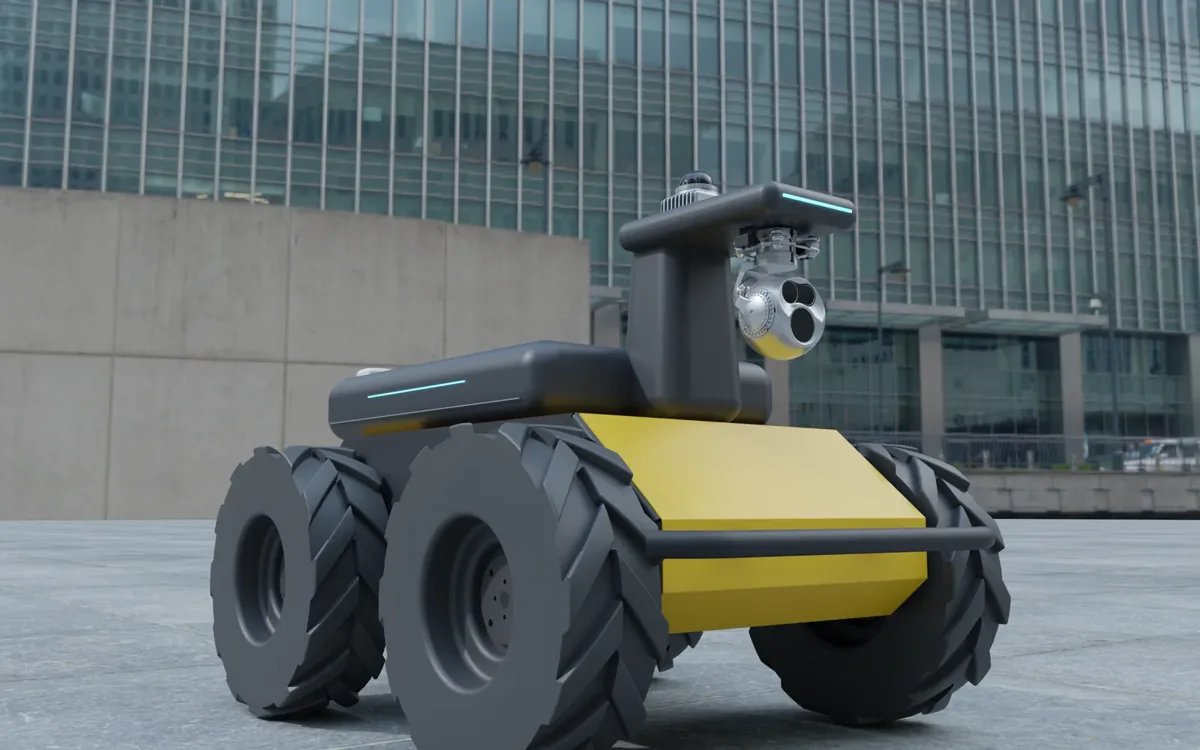
What shortens it
- Choosing a kit for a supported robot with the standard sensor list: existing drawings, stocked structure parts, known suppliers.
- Ordering the robot and the payload at the same time, so that the payload is fitted and tested on the actual robot before shipment.
- Sending site drawings and the inspection point list during the build; we prepare the map layout and the route so that commissioning starts on the first day the robot is on site.
- Arranging the SIM card, Wi-Fi or 5G coverage, the dock location and mains power before delivery.
- Naming the operator early and scheduling their training into the commissioning week.
A planning template
For a standard kit on a supported robot with express shipping: week 0 order and sensor freeze; weeks 1 to 5 build, during which the customer sends site drawings, points and network details; week 5 factory test with a recorded video sent before the second payment; week 6 shipment; week 7 arrival and customs; weeks 8 to 9 commissioning and training; week 10 first unattended rounds. For a new robot model add 4 to 8 weeks at the front; for certifications add their laboratory time; for custom software run it in parallel from week 1.
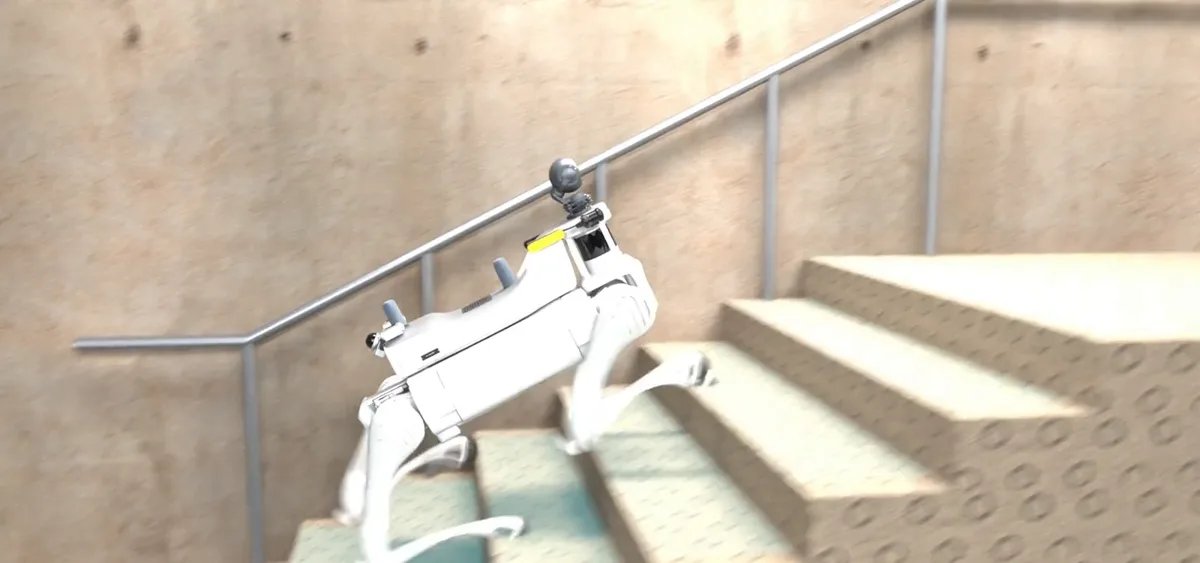
What we commit to
Our quotations state the lead time per line item and the date the factory test video will be sent. The lead time starts when the down payment is received and the sensor list is frozen, which we confirm in writing. If a supplier slips, we tell the customer the same week with the new date and the option to substitute a stocked part. Commissioning time is quoted separately as remote hours or engineer-days on site, because it depends on the site more than on the payload.
If you are planning a project, send us the robot model, the sensor list and the target date for the first round; we will send back a dated plan showing what is on the critical path and what you can prepare in parallel.
FAQ
What is the lead time for a standard payload kit?
4 to 6 weeks from purchase order to hand-over to the carrier for a kit on a platform we already build for, assembled, calibrated and factory tested. Add 5 to 10 days for express transit and 1 to 2 weeks for commissioning on site.
Why can it not be faster?
Because the sensors are bought to order. A radiometric dual-spectrum gimbal, an industrial 5G router with the right bands, a specific LiDAR variant and a payload battery with certification each have 2 to 5 week supplier lead times, and the mount parts are machined after the sensor list is frozen. Kits that use stocked sensors (Mid-360, RealSense, Jetson) ship in 2 to 3 weeks.
What adds time?
A robot model we have not built for before (4 to 8 weeks for mount design, power interface and gait checks), sensors outside our standard list, a certification requirement (IP test by a laboratory, EMC, explosion protection), custom software features, and changes to the sensor list after the order.
Does the robot delivery time matter?
Yes. If the robot is ordered from the manufacturer at the same time as the payload, both usually arrive together; if the payload is ordered first, the robot's own lead time (2 to 8 weeks depending on model and region) becomes the critical path. We fit and test on the actual robot before shipment whenever it is available.
What can the customer do to keep the schedule?
Freeze the sensor list and the robot model with the order, provide site drawings and the list of inspection points during the build so that the route is prepared before the robot arrives, arrange the SIM card, network access and the dock location in advance, and name the operator who will be trained.